
Ultimate Selection Of Subfloor Service Tools And Supplies
Find the essential products designed to help you achieve precise, reliable, and professional subfloor service outcomes.
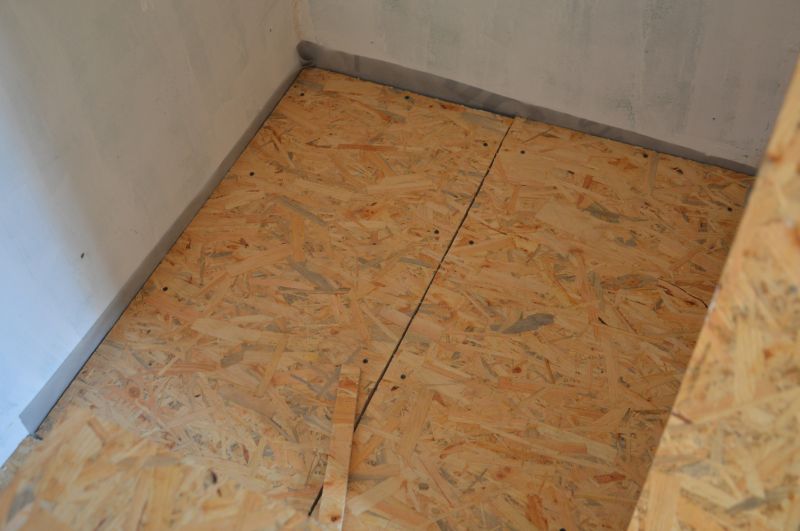 When undertaking subfloor service, selecting the appropriate products is essential for ensuring a stable, durable, and level foundation. Proper subfloor preparation can significantly impact the longevity and performance of the finished flooring. From leveling compounds to moisture barriers, there are numerous products designed to address common subfloor issues such as uneven surfaces, moisture intrusion, and structural instability. Using the right materials can facilitate a smoother installation process and help prevent future problems like squeaking, cracking, or warping.
Top Overall Option
Self-Leveling Underlayment
A versatile and user-friendly product designed to create a smooth, even surface over existing subfloor surfaces. It effectively fills in low spots and minor imperfections, providing a solid foundation for various flooring types. Self-leveling underlayments are appreciated for their ease of application and ability to produce professional results with minimal effort.
Types of Products For Subfloor Service
Self-Leveling Compounds
Materials used to create a flat, level surface over uneven subfloors, ideal for preparing surfaces before installing finished flooring.
Moisture Barriers
Products designed to prevent moisture from seeping through the subfloor, protecting against water damage and mold growth.
Underlayments
Materials placed beneath flooring to provide soundproofing, cushioning, and additional leveling.
Cement Backer Boards
Durable boards used especially under tile installations to provide a stable, moisture-resistant surface.
Plywood Sheets
Structural panels used to reinforce or replace damaged subfloor sections, offering rigidity and support.
Adhesives and Sealants
Products used to secure subfloor components and seal gaps or cracks for added stability.
Soundproofing Mats
Materials designed to reduce sound transmission through the floor, enhancing comfort and privacy.
Underfloor Heating Mats
Flexible mats that can be installed beneath flooring to provide radiant heat, adding comfort.
Screws and Fasteners
Specialized fasteners used to secure subfloor panels firmly to joists or framing.
Edge Trim and Transition Strips
Accessories that provide clean edges and transitions between different flooring types or levels.
Popular Choices
Widely used for creating a smooth base over uneven surfaces, suitable for many flooring types.
Commonly selected to prevent moisture issues in basements and ground-level installations.
Popular for tile installations due to their durability and moisture resistance.
Frequently chosen for soundproofing and cushioning beneath laminate or hardwood flooring.
Commonly used for reinforcing or replacing sections of damaged subfloor.
Popular for securing subfloor components and sealing gaps effectively.
Increasingly used in multi-story buildings to reduce noise transmission.
Gaining popularity for adding comfort in residential spaces.
Essential for ensuring secure attachment of subfloor panels.
Commonly used to achieve a neat finish at transitions between different flooring types.
A well-prepared subfloor provides a solid base for various types of flooring, including hardwood, laminate, tile, or carpet. Depending on the condition of the existing subfloor, different products may be needed to correct issues like dips, cracks, or moisture infiltration. For instance, self-leveling compounds can fill in low spots and create an even surface, while moisture barriers help prevent damage from dampness and humidity. Proper assessment and selection of these products can make a significant difference in the overall quality of the flooring installation.
In addition to leveling and moisture control, products such as underlayments and soundproofing materials can enhance comfort and reduce noise transmission. Reinforcement products like plywood or cement backer boards may also be necessary for certain applications, especially when installing tile or heavy flooring materials. Careful consideration of the specific needs of your subfloor will guide you toward the most suitable products, ensuring a reliable foundation for your flooring project and extending the lifespan of the finished surface.
Key Buying Considerations
- Assess the current condition of your subfloor to determine if leveling, moisture control, or reinforcement is needed.
- Identify the type of flooring you plan to install to select compatible preparatory products.
- Consider moisture levels, especially in basements or ground-contact areas, to choose appropriate moisture barriers.
- Evaluate the extent of unevenness or damage to decide whether self-leveling compounds or structural repairs are necessary.
- Select products that match the subfloor material, whether wood, concrete, or other substrates.
- Check compatibility of underlayments with your flooring type for optimal performance.
- Prioritize products with good adhesion and durability to ensure long-lasting results.
- Determine if soundproofing or insulation is desired, and select suitable underlayments accordingly.
- Review installation instructions and compatibility to ensure ease of use and proper application.
- Consider the thickness and coverage of products to meet your project scope and budget.
- Ensure that fasteners and adhesives are appropriate for the subfloor material and environmental conditions.
- Look for products that provide moisture resistance if the area is prone to dampness.
- Factor in project timeline and drying or curing times when selecting products.
- Verify the availability of replacement or repair options should future issues arise.
- Consult local building codes or standards to ensure compliance with structural and safety requirements.
This page contains affiliate links. We may earn a commission if you purchase through these links, at no additional cost to you.