Types of Materials Used in Subfloor Installation
People seeking subfloor installation often want to know about different types of materials used in the process, and local contractors can help select and install the best options for their space.
If you’re exploring options for subfloor installation, understanding the different types of materials used can make a significant difference in the durability and performance of your flooring. Property owners in the area often consider factors like moisture resistance, load-bearing capacity, and ease of installation when choosing subfloor materials. Whether renovating a basement, upgrading a kitchen, or preparing a new space, knowing what options are available helps ensure the foundation supports your flooring choice effectively. Local contractors specializing in subfloor installation can provide valuable insights into which materials work best for specific needs, giving you confidence in the longevity and stability of your floors.
As you delve into the topic of subfloor materials, it’s clear that each type offers distinct advantages suited to different environments and project requirements. From plywood and oriented strand board (OSB) to concrete and other specialized options, selecting the right material is crucial for a successful installation. Property owners often seek guidance to match the material with their space’s unique conditions, and experienced service providers can assist in making informed decisions. Keep reading to learn more about the common materials used in subfloor installation and how local professionals can help ensure your project is built on a solid, reliable foundation.
- Wood subflooring - Ideal for residential spaces requiring a natural and durable surface, with local contractors skilled in proper installation techniques for different wood types.
- Plywood subflooring - Commonly used in renovations and new constructions, with service providers experienced in ensuring stability and proper fastening methods.
- Suitable for projects needing a cost-effective and strong material, with local pros adept at handling its installation specifics. - Often necessary in basements or commercial settings, with local contractors capable of preparing and finishing concrete for subfloor use. - Selected for lightweight applications or temporary flooring, with service providers familiar with its limitations and proper installation practices.
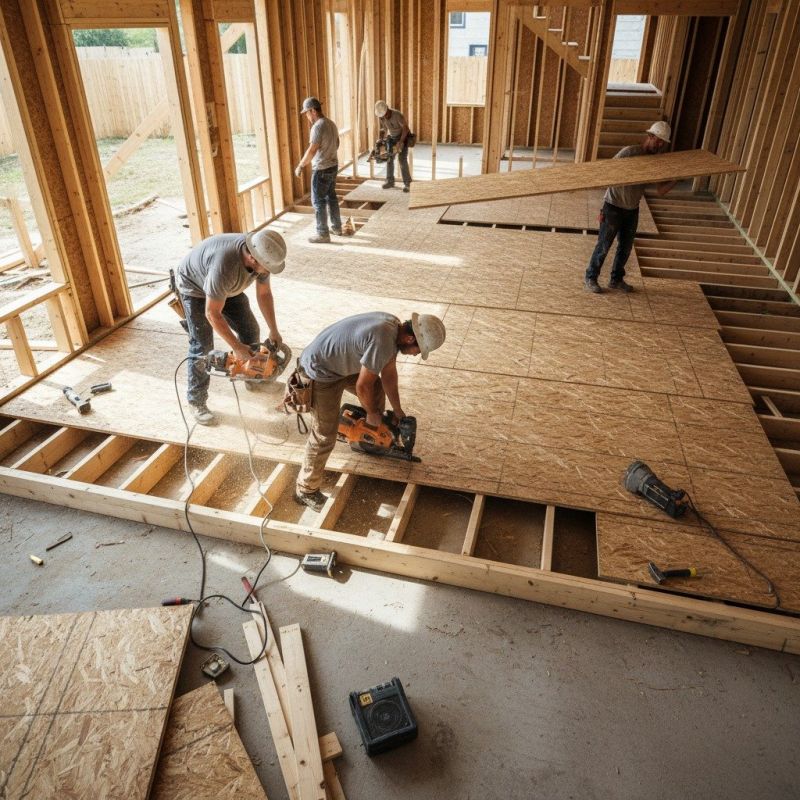
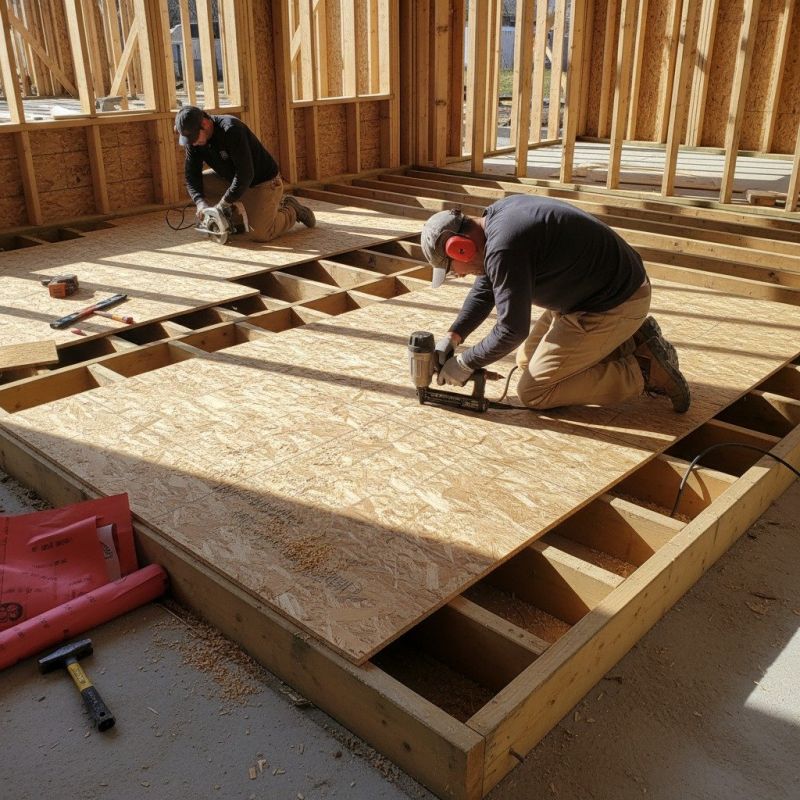
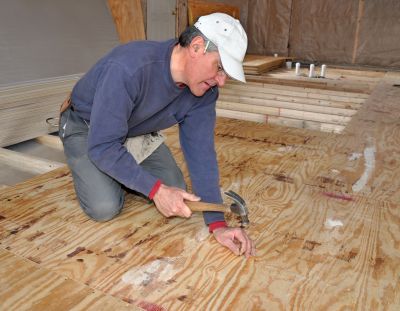
When homeowners search for information on types of materials used in subfloor installation, they are often trying to understand the options available for creating a stable, durable base beneath their flooring. This topic is relevant for those planning to remodel, upgrade, or repair existing flooring systems, especially when dealing with uneven or damaged subfloors. Knowing the different materials helps homeowners make informed decisions about which options will best support their chosen flooring type and meet the specific needs of their property. It also relates to addressing issues like moisture problems, structural stability, and long-term performance, ensuring the subfloor can withstand daily wear and tear.
The kinds of properties where subfloor material choices are especially important include residential homes, multi-family buildings, and commercial spaces. In homes, the material used can influence comfort, noise insulation, and moisture resistance, particularly in areas like kitchens, basements, or bathrooms. For multi-story buildings, the focus might be on load-bearing capacity and soundproofing. Commercial properties often require more robust materials that can handle heavy foot traffic and equipment. Understanding the types of materials used in subfloor installation helps property owners and contractors plan for the specific demands of each property, ensuring the subfloor provides a reliable foundation for the finished flooring.
Common materials used in subfloor installation include plywood, oriented strand board (OSB), concrete, and sometimes cement board or fiberboard. Plywood and OSB are popular choices because they are relatively affordable, easy to work with, and provide a solid surface for various flooring finishes. Concrete is often used in basements or ground-level spaces where a poured slab serves as the subfloor itself. Cement board and fiberboard are typically used in areas prone to moisture, such as bathrooms or kitchens, because of their moisture-resistant properties. The choice of material depends on factors like the property's location, existing foundation, and the type of flooring to be installed, with local service providers able to recommend the best options based on these considerations.
Local contractors who specialize in subfloor installation can help evaluate the specific needs of a property and recommend the most suitable materials. They understand how different subfloor materials perform in various environments and can handle the proper installation techniques to ensure the subfloor's longevity and stability. Whether replacing an existing subfloor or installing a new one, these service providers can ensure that the chosen materials are correctly installed to support the final flooring and meet the property’s structural requirements. Connecting with experienced local pros makes it easier to navigate the options and get a subfloor that provides a solid foundation for years to come.
Flooring Installation Projects - Professionals experienced in subfloor materials often handle various flooring installations, requiring similar planning and surface preparation skills.
Concrete Substrate Preparation - Preparing concrete bases involves skills in assessing subfloor conditions and ensuring proper support, which aligns with selecting suitable subfloor materials.
Home Renovation and Remodeling - Renovation projects frequently include subfloor upgrades, requiring knowledge of different materials to ensure a solid foundation for new flooring.
Underlayment Installation - Installing underlayment for soundproofing or moisture barriers shares techniques with choosing and preparing subfloor materials.
Basement Finishing Services - Finishing basements involves installing or replacing subfloor materials to create a stable, level surface for flooring.
Commercial Flooring Projects - Large-scale commercial projects often require expertise in subfloor materials to support heavy traffic and specific flooring types.
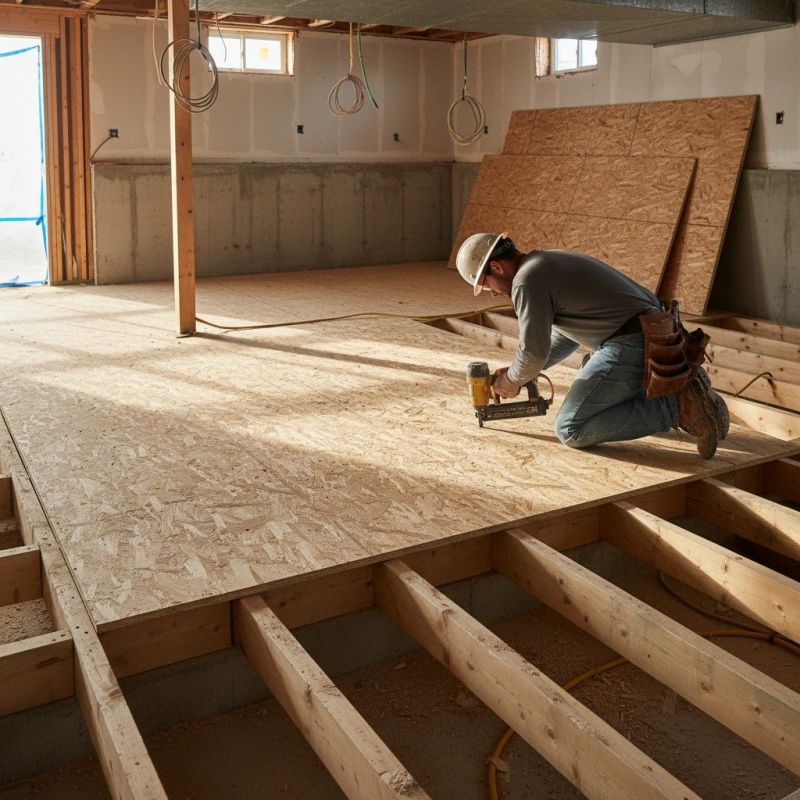
When comparing local contractors for subfloor installation, it’s important to consider their experience with similar projects, particularly those involving different types of materials used in subfloor installation. Homeowners should seek service providers who can demonstrate a history of successfully completing projects comparable in scope and material choices. This experience can help ensure that the contractor understands the specific requirements and challenges associated with various subfloor materials, leading to a more reliable and durable result.
Clear written expectations are essential when evaluating potential service providers. Homeowners should ask for detailed descriptions of how the contractor plans to approach the installation process, including the types of materials they recommend and why. Having this information in writing helps prevent misunderstandings and provides a basis for comparing different contractors’ approaches. It also offers insight into whether the provider’s methods align with the homeowner’s preferences and the specific needs of the space.
Reputable references and good communication are key indicators of a dependable service provider. Homeowners can benefit from speaking with previous clients or reviewing testimonials to gauge the quality of the contractor’s work and their professionalism. Additionally, a contractor who communicates clearly and promptly can make the entire process smoother, from initial consultation through project completion. Choosing local pros who prioritize transparent communication and have positive references can help ensure that the project proceeds efficiently and meets expectations.
Property owners often search for types of materials used in subfloor installation when they are planning practical projects around their homes and businesses. Local pros provide Subfloor Installation services for everyday jobs and straightforward project options.
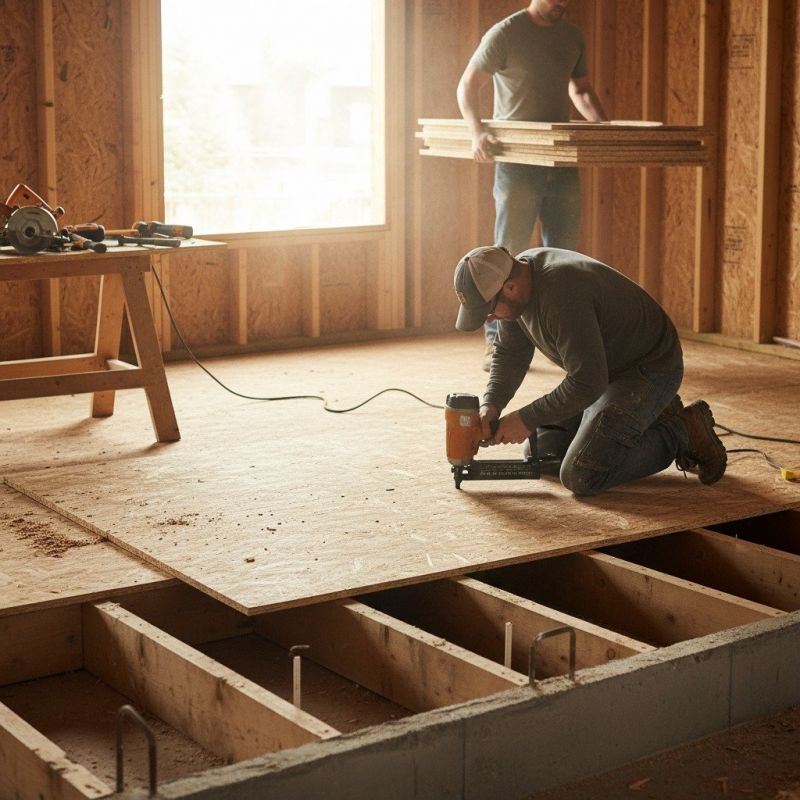
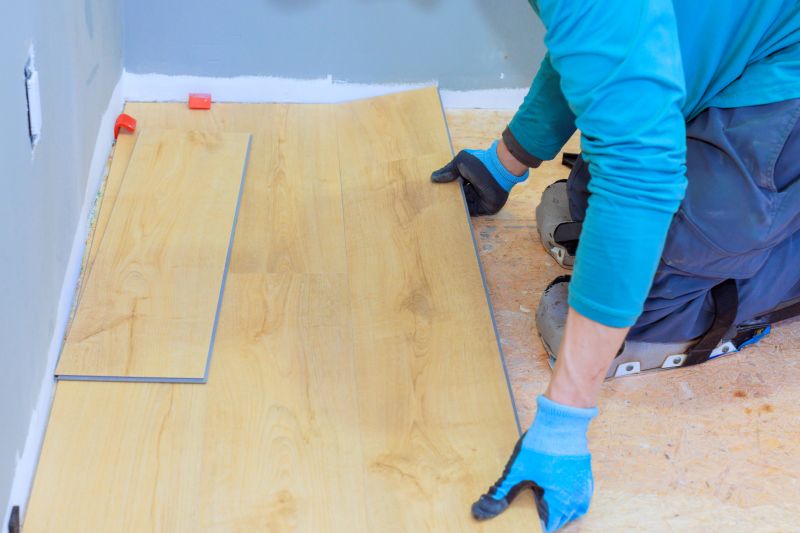
Homeowners considering subfloor installation often look into the different types of materials used to ensure durability and suitability for their specific needs. Common options include plywood, oriented strand board (OSB), and concrete slabs, each offering unique advantages depending on the property's structure and the intended flooring surface. Property owners may seek guidance from local contractors to determine which material best fits their project requirements, whether they are upgrading an existing subfloor or installing a new one in a remodel.
Understanding the various materials used in subfloor installation can help property owners make informed decisions about their renovation projects. Local service providers can assist in evaluating the existing subfloor conditions and recommend appropriate materials that provide stability and support for the finished flooring. By consulting experienced contractors, property owners gain confidence that the chosen subfloor material will meet the demands of daily use and help ensure a long-lasting, solid foundation for their flooring installation.
What are common materials used in subfloor installation? Common materials include plywood, oriented strand board (OSB), and concrete slabs, which are chosen based on the building requirements and intended flooring type. Local contractors can recommend suitable options for specific spaces.
Why is plywood often used as a subfloor material? Plywood provides a strong, stable, and affordable surface that supports various flooring types, making it a popular choice among local service providers for residential and commercial projects.
Are there alternative materials to plywood for subflooring? Yes, oriented strand board (OSB) and concrete slabs are common alternatives, each offering different benefits such as cost-effectiveness or moisture resistance. Local pros can help determine the best material for a specific application.
How does the choice of subfloor material affect installation? The material impacts the installation process, including fastening methods and preparation, which local contractors are experienced in managing to ensure a durable subfloor.
Can local service providers work with different subfloor materials? Yes, experienced local contractors can install and prepare a variety of subfloor materials, ensuring proper support and alignment for the finished flooring. Get in touch to learn more about material options for a project.
Plywood subflooring - Property owners can consider plywood for its affordability and ease of installation when working with local contractors on residential projects.
Oriented strand board (OSB) - Choosing OSB can provide a strong, stable base for flooring in areas with high moisture or heavy use, with local pros ensuring proper installation.
Concrete slabs - Using concrete as a subfloor is common in basements or ground-level spaces, where local service providers can help prepare and level the surface for flooring installation.
Wood planks or boards - For a rustic or traditional look, property owners might opt for wood planks, with local contractors managing the proper fastening and support needed for durability.
If you are thinking about types of materials used in subfloor installation for a property, this guide is meant to help you understand this topic, the typical project types, and how different options might fit your plans.
When you are ready, you can use the quote form on this page to share a few details about your project. From there, local pros can review the basics and follow up with options that match what you have in mind.